Are Dead Sea Salt and Epsom Salt the Same?
Are you tired of soaking in baths that just don’t seem to give you the relief or benefits you’re looking for? You’re not alone—many people struggle with finding the right bath salts to help ease muscle tension or improve their skin.
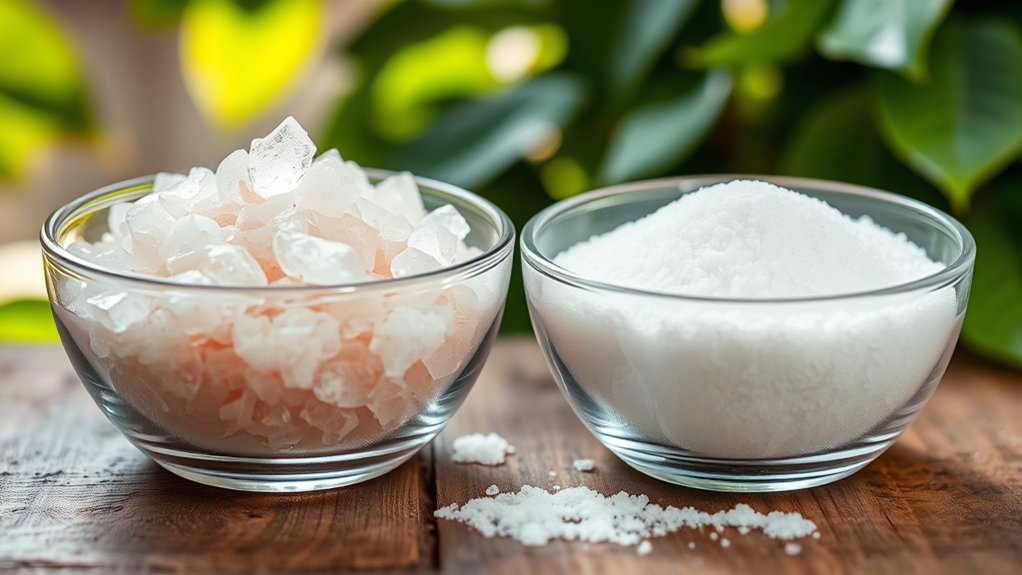
No, Dead Sea Salt and Epsom Salt are not the same. Dead Sea Salt comes from the mineral-rich Dead Sea and contains magnesium, potassium, and calcium, mainly benefiting skin health and healing.
Epsom Salt is made of magnesium sulfate, mainly used for muscle relaxation and pain relief.
Although both are popular for baths, their origins, composition, and benefits differ. To uncover how to choose the right one for you, keep exploring the details below.
Key Takeaways
- Dead Sea Salt is mineral-rich and comes from the Dead Sea, while Epsom Salt is mainly magnesium sulfate crystals.
- Dead Sea Salt has a wider variety of minerals like potassium and calcium. Epsom Salt, on the other hand, is mostly magnesium sulfate.
- They also dissolve differently in water. Dead Sea Salt is less soluble, so it takes longer to dissolve. Epsom Salt dissolves quickly, making it easy to use.
- Epsom Salt is popular for helping muscles relax. Dead Sea Salt is known for its skin healing properties and improving elasticity.
- Chemically, they are quite different. They can’t be swapped out for each other because they have different uses and health benefits.
Where Do Dead Sea Salt and Epsom Salt Come From?
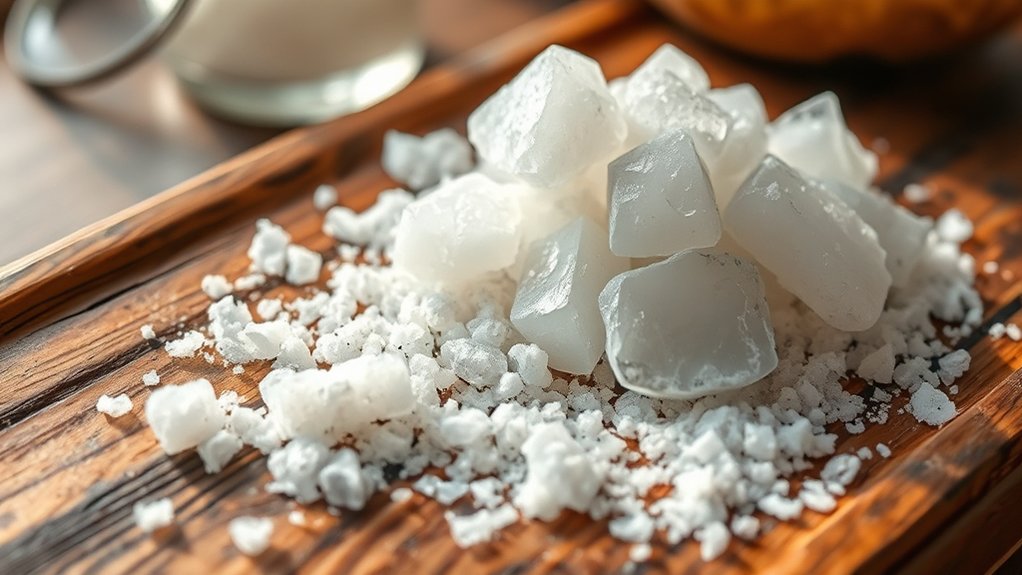
Ever wondered where Dead Sea Salt and Epsom Salt come from? You’ll find that Dead Sea Salt comes from the Dead Sea, a saltwater lake between Jordan and Israel. Over thousands of years, evaporation has concentrated minerals in the water, creating the dense, mineral-rich salt.
Epsom Salt, on the other hand, is derived from mineral-rich spring water or mined from mineral deposits. It forms when magnesium and sulfate minerals crystallize naturally or are extracted through mining processes.
While both salts are naturally occurring, their sources are quite different. Dead Sea Salt is unique to a specific geographic location, whereas Epsom Salt can be produced from various mineral sources worldwide.
Knowing where they come from helps you understand their distinct composition and uses.
What Are the Main Chemicals in Dead Sea Salt and Epsom Salt?
Both Dead Sea Salt and Epsom Salt contain key minerals that give them their distinctive properties, but their main chemical components differ markedly. Dead Sea Salt is rich in minerals like magnesium, potassium, and calcium, which help with skin health and relaxation.
Epsom Salt mainly consists of magnesium sulfate, offering different benefits. Here’s a quick comparison:
| Component | Dead Sea Salt | Epsom Salt |
|---|---|---|
| Main Mineral Content | Magnesium, Potassium, Calcium | Magnesium Sulfate |
| Key Benefits | Skin nourishment, detox | Muscle relaxation, soreness relief |
| Solubility | Less soluble | Highly soluble |
Knowing these differences helps you choose the right salt for your needs.
How Do These Salts Benefit Your Skin and Body?
Both Dead Sea Salt and Epsom Salt help detoxify your skin, leaving it feeling refreshed and smoother. They also promote muscle relaxation, easing tension after a long day.
Understanding these benefits can help you make the most of their natural healing properties.
Skin Detoxification Properties
Using Dead Sea Salt or Epsom Salt in your bath can effectively help detoxify your skin and body. These salts draw out impurities, toxins, and excess oils, leaving your skin feeling cleaner and refreshed.
Dead Sea Salt is rich in minerals like magnesium, potassium, and calcium, which help improve skin elasticity and promote healing. Epsom Salt contains magnesium sulfate, known for reducing inflammation and aiding the skin’s ability to eliminate toxins.
When you soak, these minerals penetrate your skin, supporting natural detox processes and reducing dirt and pollutants buildup. Regular baths with either salt can help clear clogged pores and enhance overall skin tone.
This detoxification promotes healthier, more radiant skin, giving you a refreshed and revitalized look.
Muscle Relaxation Benefits
Immersing yourself in a warm bath with Dead Sea Salt or Epsom Salt can really help ease muscle tension and soreness. These salts have minerals that seep into your skin, relaxing your muscles and reducing inflammation.
Epsom salt, which is rich in magnesium, helps calm nerve activity and eases cramps. Dead Sea Salt contains magnesium, potassium, and calcium, promoting muscle relaxation and soothing aches after intense activity.
Regular soaks can improve circulation, helping to flush out toxins and reduce stiffness. Both salts work by increasing magnesium levels in your body, which supports muscle function and relaxation.
Adding these salts to your bath routine can provide relief from muscle fatigue, leaving you feeling more relaxed and rejuvenated.
Which Salt Is Better for Muscle Relaxation and Pain Relief?
With regard to soothing sore muscles and easing pain, choosing the right salt can make a difference. Epsom salt is often considered better for muscle relaxation because it contains magnesium sulfate, which helps reduce inflammation and relaxes muscles when absorbed through the skin. You’ll likely notice relief faster with Epsom salt baths, especially after intense activity.
Dead Sea salt, on the other hand, contains a broader range of minerals like magnesium, potassium, and calcium. These minerals can help soothe skin and promote overall relaxation. However, for targeted muscle pain relief, Epsom salt’s high magnesium content tends to be more effective.
If your primary goal is muscle relaxation and pain relief, Epsom salt usually offers more direct benefits due to its specific mineral composition.
Are Dead Sea Salt and Epsom Salt Safe to Use?
Are Dead Sea salt and Epsom salt safe for regular use? Generally, yes, but it depends on your skin and health conditions. Dead Sea salt is rich in minerals like magnesium, potassium, and calcium, making it safe for most skin types, though sensitive skin may react.
Epsom salt, mainly magnesium sulfate, is also safe but can cause irritation if you have open wounds or allergies. Here’s a quick comparison:
| Salt Type | Suitable for Sensitive Skin | Potential Side Effects | Best Use |
|---|---|---|---|
| Dead Sea Salt | Yes, with caution | Rare irritation, dryness | Skin and relaxation benefits |
| Epsom Salt | Yes, generally safe | Skin irritation, dehydration | Muscle soothing, detoxing |
Always patch test and consult your doctor if you’re unsure.
How Do You Choose Between Them for Your Bath or Skincare Routine?
When choosing between Dead Sea salt and Epsom salt for your bath or skincare, think about the specific skin benefits each one offers.
You should also consider how you plan to use them—whether for relaxing sore muscles or exfoliating your skin.
Knowing what each salt does can help you decide which one fits best into your routine.
Skin Benefits Comparison
Deciding between Dead Sea salt and Epsom salt for your skincare routine depends on what benefits you’re after. Dead Sea salt is packed with minerals like magnesium, calcium, and potassium, which help hydrate your skin, reduce inflammation, and promote healing. It’s great if you want to soothe irritated or eczema-prone skin.
Epsom salt mainly provides magnesium, which can relax muscles, soften skin, and reduce swelling. It’s perfect for calming stress and supporting your skin’s detox process.
- Dead Sea salt nourishes and repairs damaged skin
- Epsom salt relaxes muscles and eases aches
- Dead Sea salt reduces inflammation and redness
- Epsom salt softens and exfoliates dead skin
- Both salts help in detoxification and skin renewal
Usage and Application
Choosing between Dead Sea salt and Epsom salt for your bath or skincare routine depends on what you’re looking to achieve.
If you want to soothe skin issues like psoriasis or eczema, Dead Sea salt is a great pick because of its mineral-rich composition. Just add a handful to a warm bath and soak for about 15-20 minutes.
For muscle relaxation or easing soreness, Epsom salt works well thanks to its high magnesium content. Dissolve a cup in your bathwater and soak for a similar amount of time.
You can also use Epsom salt as a foot soak or mix it with oils to make exfoliating scrubs. Keep in mind, Dead Sea salt has a coarser texture, making it ideal for bath salts, while Epsom’s finer grains are better for scrubs and compresses. Choose based on what results you want.
Can You Use Dead Sea Salt and Epsom Salt Together?
Wondering if you can combine Dead Sea salt and Epsom salt in your bath? Yes, you can, but it’s good to know the benefits and what to watch out for.
Mixing these salts can help you relax more and soothe your muscles, making your bath more effective. Since they have different mineral compositions, keep an eye on how your skin reacts and don’t overdo it.
Mix Dead Sea and Epsom salts to enhance relaxation and muscle soothing—just watch your skin’s response.
Combining Dead Sea salt and Epsom salt might also boost detoxification and improve skin hydration. Just remember to use them in moderation to avoid irritation.
Adjust the amounts based on your skin’s sensitivity. Mixing them can intensify relaxation and muscle relief, but if you have any skin or health concerns, it’s best to chat with a healthcare professional.
What Common Myths About These Salts Are Not True?
Many people believe that Dead Sea salt and Epsom salt are interchangeable, but that’s a myth. While both are used in baths and for relaxation, they have different compositions and benefits.
Dead Sea salt contains minerals like magnesium, potassium, and bromide. These may help improve skin conditions and boost circulation. Epsom salt is mainly magnesium sulfate, known for easing muscle soreness and reducing inflammation.
Some think Epsom salt is a true sea salt, but it’s actually a mineral compound. People also believe they provide the same health benefits, but they target different issues.
Understanding these differences helps you choose the right salt for your needs, rather than relying on false assumptions.
Frequently Asked Questions
Are There Any Health Risks Associated With Using Dead Sea Salt or Epsom Salt?
Yes, there are some health risks associated with using Dead Sea Salt and Epsom Salt, especially if you have sensitive skin, allergies, or skin conditions. You might experience irritation or allergic reactions.
Overusing these salts can lead to dehydration or electrolyte imbalance. Pregnant women and people with medical conditions should check with a healthcare professional before using them.
Always follow the recommended dosages and rinse thoroughly afterward to help reduce any potential risks.
Can Dead Sea Salt or Epsom Salt Help With Specific Skin Conditions?
You’ll be amazed at how Dead Sea Salt and Epsom Salt can transform your skin! They’re both effective for conditions like psoriasis and eczema, helping to soothe inflammation and reduce redness.
Dead Sea Salt’s minerals deeply nourish your skin, while Epsom Salt’s magnesium helps relax and promote healing. Regular baths with either salt can provide relief, improve skin texture, and support healing.
These natural remedies can be really helpful for specific skin issues, making a noticeable difference over time.
How Often Should I Use These Salts in My Bath?
You should use these salts in your bath 2 to 3 times a week, depending on your skin’s sensitivity and needs.
For most people, soaking for 15 to 20 minutes is enough to enjoy their benefits.
If you notice any irritation or dryness, cut back on frequency or dilute the salts more.
Always listen to your body and adjust usage accordingly for a relaxing, skin-friendly experience.
Are There Any Differences in Scent or Fragrance Between the Two Salts?
You’ll notice that Dead Sea Salt has a natural mineral scent, which is often earthy and subtle. Epsom Salt usually has no strong fragrance of its own, making it a neutral addition to your bath.
If you prefer a fragrant experience, you can add essential oils to either salt. Overall, the scent difference is minimal, but Dead Sea Salt’s mineral content may lend a faint, natural aroma.
Can Children Safely Use Dead Sea Salt or Epsom Salt Products?
Children can use Dead Sea Salt and Epsom Salt products, but it’s best to check with a pediatrician first. Epsom salt baths are usually safe in small amounts and can help with minor skin irritations and muscle aches.
Dead Sea Salt is also generally safe, but keep an eye out for any skin reactions, especially in sensitive kids. Never use these salts in large quantities or on broken skin without talking to a doctor.
Always supervise bath time to ensure safety, and avoid using these salts excessively. When in doubt, consulting a healthcare professional is the safest approach.
Conclusion
Ultimately, whether you choose Dead Sea salt or Epsom salt, you’re opting for a natural way to relax, rejuvenate, and care for your skin and muscles.
Think about your needs, preferences, and goals. Consider the benefits, safety, and any myths you’ve heard.
You’ll appreciate the simplicity, versatility, and healing potential these salts offer. They each have unique qualities, so it’s about finding what works best for you.
Decide what fits into your routine and transforms your bath into a sanctuary of wellness. Both Dead Sea salt and Epsom salt can help you unwind and feel revitalized.