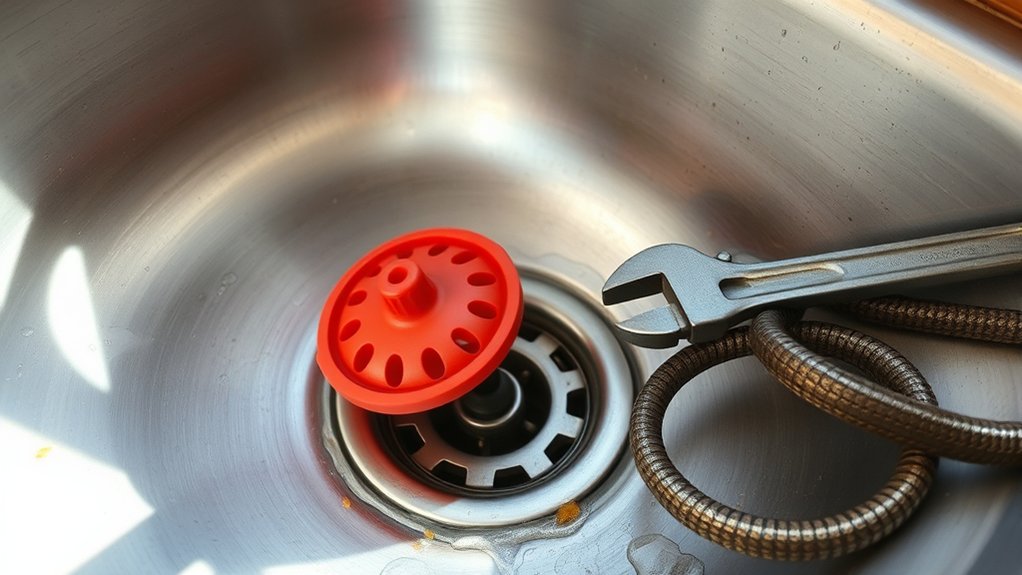
8 Simple Steps to Fix a Clogged Kitchen Sink
Dealing with a clogged kitchen sink is one of those household frustrations many people struggle with. It’s frustrating when your sink drains slowly or not at all, disrupting your daily routine. If you’ve been searching for simple ways to fix this common problem, you’re not alone. Here’s a straightforward guide to help you tackle that stubborn clog.
To fix a clogged kitchen sink, start by checking for visible blockages and slow drainage. Pour boiling water in stages to loosen minor clogs. Use a plunger with a tight seal and pump firmly several times.
If that doesn’t work, try a baking soda and vinegar mixture, then flush with hot water. If the clog persists, carefully use a drain snake or consider enzymatic cleaners.
Keeping up with simple maintenance can prevent future problems. Regularly clearing out debris and avoiding pouring grease down the drain can save you headaches later.
Remember, many people face this issue, but with a few easy steps, you can keep your sink flowing smoothly.
Key Takeaways
- Check for visible blockages and remove the drain cover to see if there’s any debris or grease stuck there.
- Start with boiling water. Pour it slowly down the drain to help dissolve minor clogs and flush out the blockage.
- Use a plunger to create pressure. This can often dislodge deeper blockages pretty effectively.
- Mix baking soda and vinegar, then pour it into the drain. Follow up with hot water to help break down organic buildup.
- If that doesn’t do the trick, try inserting a drain snake or auger. It’s great for clearing out stubborn clogs that won’t budge.
How to Identify What’s Causing Your Kitchen Sink to Clog

Ever wonder what’s causing your kitchen sink to clog? The first step is figuring out what’s going on.
Check if the water drains slowly or if there’s a bad smell. Look for obvious blockages like grease buildup, food scraps, or soap scum.
Check for slow drainage, bad smells, and visible blockages like grease, food scraps, or soap scum.
Remove the sink stopper or drain cover to see inside. If you spot debris, that’s probably the culprit. Use a flashlight to peek into the pipe opening for any visible blockages.
Think about whether you’ve recently poured grease or food down the drain. These are common causes of clogs. Also, consider if you’ve had previous backups or clogs.
Pinpointing the cause helps you pick the right fix. Whether it’s removing debris or tackling buildup further down the pipe, knowing what’s wrong makes fixing easier.
It also helps prevent future clogs. Accurate identification saves you time and hassle in the long run.
Start With Boiling Water to Clear Minor Clogs
Before trying more aggressive fixes, start with the simplest solution: pouring boiling water down the drain. Boiling water can often dissolve grease, soap scum, or minor food particles causing the clog.
Carefully heat a kettle or large pot of water until it reaches a rolling boil. Slowly pour the hot water directly into the drain in two or three stages, allowing each pour to work for a few seconds.
The heat helps loosen and flush away buildup. Be cautious to avoid splashing or burns. This simple step is effective for minor clogs and is a safe first attempt before moving on to other methods.
If the water drains slowly or remains blocked, then it’s time to try other solutions.
How to Use a Plunger Effectively
To use a plunger effectively, place the cup over the drain so it completely covers the opening, making sure there’s a tight seal. Check around the edges to ensure there are no gaps.
Once it’s sealed, hold the handle firmly and push down with steady pressure, then pull up sharply without breaking the seal. Repeat this pumping motion 15-20 times, keeping the seal and effort consistent.
Hold the handle firmly, push down steadily, then pull up sharply—repeat 15-20 times for best results.
If water starts to drain, stop and see if the clog has cleared. If it’s still clogged, just repeat the process a few more times. Be careful not to use too much force, which could damage the sink or push the clog further down.
Using the plunger properly creates enough pressure to dislodge the blockage and get your drain flowing smoothly again.
DIY Drain Cleaner: Baking Soda and Vinegar Method
A simple and effective way to clear a minor drain clog is by using a DIY mixture of baking soda and vinegar. First, pour about half a cup of baking soda directly into the drain.
Follow it with half a cup of white vinegar. You’ll see fizzing and bubbling as the chemical reaction works to loosen debris.
To improve the effect, cover the drain with a plug or cloth, trapping the mixture inside. Wait for 15-30 minutes to let the fizz do its job.
During this time, imagine the bubbling action breaking down grease, soap scum, and grime. Afterward, flush the drain with hot water to wash away loosened material.
This simple method uses common household ingredients to clear minor clogs naturally and effectively.
Check and Remove Visible Blockages in the Drain
Start by inspecting the drain opening for any visible debris or hair caught near the surface.
If you see an obstruction, carefully remove it using gloves or a tool designed for the job.
Be sure to clear the blockage safely so you don’t push debris further down the pipe.
Inspect Visible Debris
Before digging too deep, take a close look inside the drain for any visible debris or blockages. Use a flashlight to get a clear view of what’s blocking the flow. You might see hair, food scraps, soap scum, or small objects lodged near the opening.
Carefully remove what you can see with your fingers or a pair of tongs. Imagine pulling out tangled hair, greasy food chunks, or bits of plastic. Visualize grasping a slimy hairball, a clump of coffee grounds, or a tiny plastic wrapper.
Clearing out these visible obstructions can often solve the problem quickly and prevent the need for more invasive methods. Stay alert and methodical, making sure you remove everything within reach before moving on.
Clear Obstructions Safely
To effectively clear obstructions, carefully check the drain opening for any visible blockages and remove them safely. Use gloves to protect your hands and a flashlight to spot stubborn debris. Gently pull out hair, food scraps, or other obstructions with tweezers or your fingers.
If the blockage is near the surface, this simple step can restore flow quickly. Remember, rushing can cause damage or push debris further down.
| Accept Control | Feel Relief |
|---|---|
| Taking charge of the clog | Watching it clear away |
| Small step, big impact | Restoring your sink’s flow |
| Confidence grows | Satisfaction soars |
| Prevents future issues | Peace of mind |
Using a Drain Snake or Auger for Deep Clogs
When using a drain snake or auger, it’s important to handle the tool properly to avoid damage or injury.
Make sure you choose the right type of auger for your clog, whether it’s a hand-crank or a power auger.
Using the proper technique and selecting the correct tool can make clearing deep blockages much easier and more effective.
Proper Snake Handling Techniques
Handling a drain snake or auger properly is key to clearing deep clogs without causing damage. You want to stay in control and avoid forcing it, which could scratch pipes or break the tool.
First, insert the snake slowly, feeding it into the drain until you feel resistance. Turn the handle clockwise to latch onto the clog, then gently pull it back while continuing to turn.
Keep a steady, firm grip to prevent slipping. Remember these tips: keep the auger straight to avoid pipe damage, use slow, controlled movements, and don’t force the tool if resistance feels excessive.
It’s also a good idea to keep a towel or bucket nearby for debris and wear gloves for grip and protection. Mastering proper handling makes the unclogging process safer and more effective.
Selecting the Right Auger Type
Choosing the right auger type is key to effectively clearing deep clogs in your kitchen sink. For stubborn clogs located far down the drain, a manual drain snake with a long, flexible cable works well. It can reach deep into the pipes and break up or retrieve blockages.
If you’re dealing with tough or persistent clogs, consider an auger with a motorized drill attachment; this provides extra power to dislodge stubborn debris. Handheld augers are best for moderate clogs, while power augers suit more severe blockages.
Always select an auger length appropriate for your pipe’s depth, usually 25 to 50 feet. Using the right type prevents damage and guarantees you clear the clog efficiently without unnecessary frustration.
Try Enzymatic Cleaners for Persistent Organic Bogs
Organic buildup in your sink can be stubborn, but enzymatic cleaners often prove effective in breaking down these persistent clogs. These cleaners contain natural enzymes that digest organic matter like grease, food scraps, and soap scum, helping clear the clog without harsh chemicals.
To use, pour the recommended amount into the drain and let it sit overnight. As the enzymes work, you’ll notice the clog loosening and dissolving. Imagine a bubbling, foaming action breaking down grime, and a fresh, clean scent replacing foul odors.
You’ll see clearer water flowing smoothly down the pipes and reduced buildup on pipe walls. Plus, enzymatic cleaners are an eco-friendly solution that’s safe for your plumbing and the environment.
They’re a gentle yet effective way to tackle organic clogs and restore your sink’s functionality.
Prevent Future Sink Clogs With Simple Maintenance Tips
After successfully using enzymatic cleaners to clear stubborn organic buildup, maintaining your sink becomes much easier with simple, everyday habits. Always avoid pouring grease, oil, or coffee grounds down the drain, as these can solidify and cause future clogs.
Use a drain strainer to catch food scraps and debris before they go down the drain. Regularly flush your sink with hot water to help dissolve grease and remove minor buildup.
Once a week, pour a mixture of baking soda and vinegar down the drain, then rinse with hot water. These small steps prevent buildup and keep your pipes clear.
Staying consistent with these habits reduces the risk of future clogs and keeps your sink draining smoothly.
Frequently Asked Questions
What Are Common Household Items That Can Cause Sink Clogs?
Common household items that can cause sink clogs include grease and oil, which harden and block pipes. Food debris like potato peels and coffee grounds can also contribute to clogs.
Hair from dishwashing or cleaning can build up and cause blockages. Additionally, soap scum and small objects like utensils or jewelry accidentally dropped down the drain can lead to clogs.
Regularly cleaning your sink and avoiding these items can help prevent future blockages.
How Often Should I Perform Sink Maintenance to Prevent Clogs?
Ever wondered how often you should perform sink maintenance? To prevent clogs, give your sink a quick check and clean every one to two months.
Regularly clear out debris, run hot water, and use a natural drain cleaner if needed. This routine helps keep buildup at bay and ensures smooth drainage.
Don’t wait until a clog appears. Staying proactive saves you time and hassle.
Are Chemical Drain Cleaners Safe for All Plumbing Types?
Chemical drain cleaners aren’t safe for all plumbing types. They can corrode or damage pipes made of plastic, metal, or older materials.
If you’re unsure about your plumbing, it’s best to avoid harsh chemicals. Instead, try safer options like baking soda and vinegar or a plunger.
Always read labels carefully and follow the manufacturer’s instructions. This helps prevent potential damage and keeps your pipes in good shape.
Can Food Debris Be the Main Cause of Kitchen Sink Blockages?
Coincidentally, food debris often becomes the main culprit behind kitchen sink blockages. When you rinse leftover bits down the drain, they can stick to grease and soap scum, gradually forming a stubborn clog.
Over time, these food particles build up, reducing water flow and eventually causing a blockage. To prevent this, always use a strainer and dispose of large food scraps in the trash instead of rinsing them down the drain.
When Should I Call a Professional Plumber Instead of DIY Fixing?
You should call a professional plumber when DIY efforts don’t clear the clog or if you notice recurring blockages.
If you experience multiple clogged drains, strange odors, or slow draining even after trying to fix it, it’s best to seek expert help.
Also, avoid DIY fixes if you’re unsure about the plumbing system or suspect a more serious problem, like a broken pipe or sewer line issue, which need professional diagnosis and repair.
Conclusion
By following these simple steps, you can turn your sink from a stubborn obstacle into a smooth flow of water once again. Think of your drain as a tiny river—sometimes it just needs a little nudge or a gentle push back on course.
With patience and the right tools, you’re the captain of your plumbing. So roll up your sleeves and get ready to fix that clogged kitchen sink.
A clear drain is the key to a happier, hassle-free kitchen. Fixing your sink might be easier than you think—just follow these simple steps.