How to Cook Petite Tender Beef Filet in 7 Easy Steps
Cooking petite tender beef filet at home can feel intimidating, especially if you’re aiming for that perfect, juicy result. You’re not alone—many people struggle with getting it just right.
But don’t worry, with a few simple steps, you can master this delicious cut.
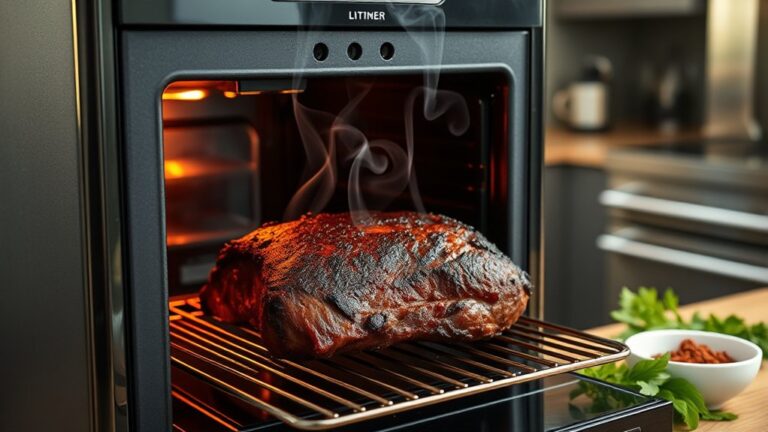
To cook petite tender beef filet in 7 easy steps, start by letting it sit at room temperature and patting it dry.
Season or marinate it for flavor, then sear in a hot skillet with oil for 2-3 minutes per side until golden.
Use a meat thermometer to reach your preferred doneness, then rest the meat for 5-10 minutes.
Slice against the grain for juicy, tender bites.
If you want to master each step, keep going to learn more.
Key Takeaways
- Prepare the beef filet by bringing it to room temperature and patting it dry. This helps ensure an even sear.
- Season or marinate the filet with herbs, garlic, or spices for that extra flavor boost.
- Sear the filet in a hot skillet with oil until a beautiful golden crust forms. This usually takes about 2-3 minutes per side.
- Cook to your preferred doneness using a meat thermometer. Once done, let it rest for 5 to 10 minutes.
- After resting, slice against the grain with a sharp knife. Serve immediately to enjoy the best tenderness.
Preparing Your Petite Tender Beef Filet for Perfect Searing
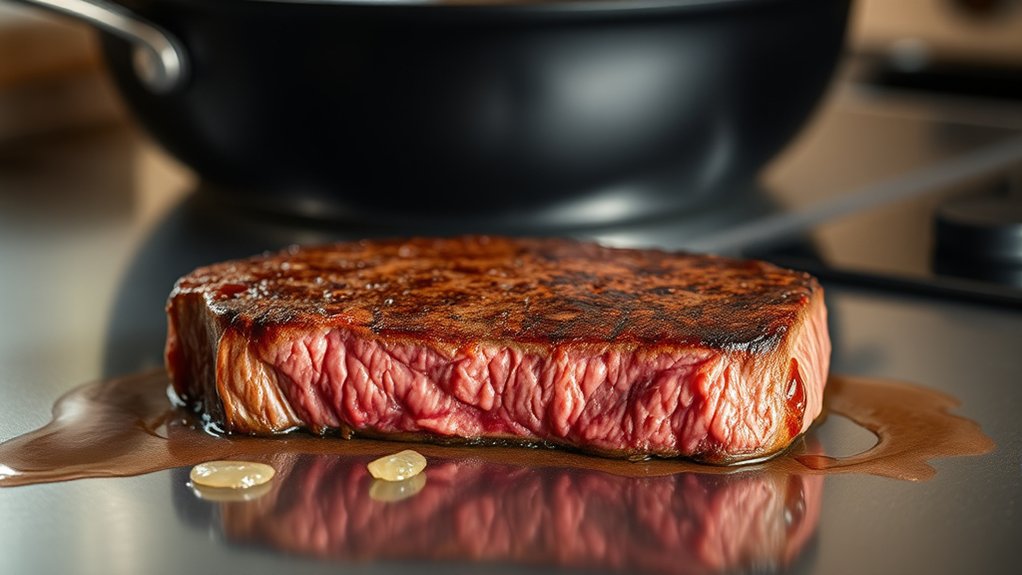
To achieve a perfect sear on your petite tender beef filet, start by removing it from the refrigerator about 30 minutes before cooking. This helps the meat come to room temperature, which promotes even cooking and better browning.
Pat the filet dry with paper towels to remove excess moisture, as this can prevent a good sear. Handle it gently so you don’t remove any surface seasonings you might add later.
If you like, lightly brush the surface with a bit of oil to help with browning. Make sure your pan or grill is preheated to high heat because this is key to getting a crisp, caramelized exterior.
Proper preparation like this helps you achieve that beautiful, flavorful crust while keeping the inside tender and juicy.
Choosing the Best Seasonings and Marinades for Flavor
Ever wonder how to boost the flavor of your petite tender beef filet? Choosing the right seasonings and marinades can really make it shine. For a rich, savory taste, try garlic, rosemary, and black pepper.
Looking for a zesty kick? Add lemon juice and thyme to your marinade. Mixing flavors thoughtfully enhances the natural beef flavor without overwhelming it.
| Flavor Profile | Recommended Ingredients | Usage Tips |
|---|---|---|
| Savory | Garlic, rosemary | Use fresh for the best aroma |
| Zesty | Lemon juice, thyme | Marinate for at least 30 min |
| Spicy | Black pepper, chili | Light seasoning to taste |
| Aromatic | Onion powder, paprika | Rub before cooking |
How to Sear and Brown Your Beef Filet Like a Pro
Once you’ve seasoned your beef filet to enhance its natural flavors, the next step is to develop a beautiful, flavorful crust through proper searing and browning. To do this, heat a heavy skillet—preferably cast iron—until it’s hot enough to sizzle when the meat touches it.
Sear the seasoned beef in a hot cast iron skillet until a golden, flavorful crust forms.
Add a small amount of high-smoke-point oil, like grapeseed or clarified butter. Place the filet gently into the pan, making sure not to overcrowd it. Sear each side for about 2-3 minutes, pressing down slightly to ensure contact.
You’ll see the surface turn a rich, golden-brown color and release a savory aroma. It sizzles and crackles as the meat hits the hot pan, creating a deep, caramelized crust. This helps lock in the juices, keeping the interior tender.
Meanwhile, the exterior develops a perfect glossy sheen. This process results in a beautifully seared filet with a flavorful, crispy crust and a juicy, tender inside.
Achieving the Perfect Doneness and Resting Your Meat
To get your beef filet just right, keep a close eye on the internal temperature with a reliable thermometer. Once cooked to your preferred doneness, let the meat rest for a few minutes to lock in juices.
Proper resting guarantees every bite stays tender and flavorful. Taking this step makes all the difference in enjoying a perfectly cooked steak.
Monitoring Internal Temperature
How can you guarantee your petite tender beef filet reaches the perfect level of doneness? The key is monitoring its internal temperature with a reliable meat thermometer. Insert the probe into the thickest part of the filet, avoiding bones or fat.
Keep a close eye as it cooks, removing it from heat at the right moment. As you watch the thermometer, you’ll notice the temperature rise steadily. Aim for specific temps: 120°F for rare, 130°F for medium-rare, 140°F for medium, and 150°F for well-done.
Visual cues can be misleading, so rely on the thermometer to achieve precision. This ensures your beef stays juicy, tender, and cooked exactly to your preference.
Imagine the needle inching up, signaling perfection. The meat’s surface begins to shimmer with juices. The aroma intensifies as it nears your target temperature. The outer crust develops a beautiful sear.
Proper Resting Techniques
After you’ve removed the beef filet from the heat, resting it allows the juices to redistribute throughout the meat, making sure each bite is tender and flavorful. Wrap the filet loosely with aluminum foil, but don’t seal it tightly, as this helps retain heat without steaming the meat.
Let it rest for about 5 to 10 minutes, depending on the size of the filet. During this time, the internal temperature stabilizes and the juices settle, preventing them from spilling out when you cut into it.
Resting also improves the overall tenderness and guarantees the meat reaches its perfect doneness. Avoid slicing immediately; patience now ensures a juicy, evenly cooked filet with maximum flavor.
Creating a Delicious Sauce or Side Dish
Pairing your petite tender beef filet with the right sauce can really boost its flavor. Whether you prefer a rich mushroom gravy or a tangy red wine reduction, the right sauce makes all the difference.
Complement it with sides like roasted vegetables, creamy mashed potatoes, or a crisp salad to create a balanced meal. Think about bold flavors that enhance the beef without overpowering it, and you’ll end up with a memorable dish.
Perfect Sauce Pairings
A well-chosen sauce can take your petite tender beef filet from good to unforgettable, adding depth and richness to every bite. A rich red wine reduction pairs beautifully with the beef’s tenderness, balancing acidity with a hint of sweetness.
A creamy peppercorn sauce provides a bold, savory kick that really elevates the dish. For a lighter option, try a tangy balsamic glaze—its subtle sweetness and acidity add a fresh note.
You might also enjoy a mushroom-infused gravy, which introduces earthy flavors that complement the beef perfectly. Think of a glossy wine sauce, a velvety cream-based one, or a vibrant balsamic drizzle—each creates a unique flavor experience to delight your palate.
Flavorful Side Options
To improve your petite tender beef filet, focus on crafting side dishes and sauces that complement its tender richness. Fresh vegetables like roasted asparagus, sautéed mushrooms, or glazed carrots add color and flavor without overpowering the meat.
For side grains, consider fluffy mashed potatoes, creamy risotto, or buttery couscous, which soak up juices beautifully. A vibrant chimichurri or balsamic reduction can add a tangy, herbaceous note that balances the richness.
You could also prepare a simple herb butter or garlic aioli to drizzle over the meat or sides for extra flavor. Keep the sides straightforward so they highlight the filet’s tenderness.
The goal is to create a harmonious plate where each component improves the overall dining experience.
How to Slice and Serve Your Beef Filet for Maximum Juiciness
Making sure your beef filet stays juicy starts with how you slice it. To maximize moisture, cut against the grain. This shortens muscle fibers, making each bite tender and easy to chew.
Use a sharp knife to guarantee clean cuts without tearing the meat’s surface. Rest the beef for about 5 minutes before slicing; this redistributes juices and prevents them from escaping.
When slicing, hold the meat steady and cut in even, ¼-inch thick pieces. Imagine each slice revealing a rosy, moist interior that promises flavor.
Picture the tender meat perfectly arranged on your plate, ready to be enjoyed at its juiciest. Remember, a well-sliced filet not only looks appealing but keeps every bite flavorful and succulent.
Proper slicing is key to serving your beef at its peak juiciness.
Troubleshooting Common Issues and Perfecting Your Technique
Even with careful slicing, you might run into issues like uneven cuts or dryness if your technique isn’t quite right. To avoid dryness, don’t overcook the beef—aim for a medium-rare to medium finish.
Use a meat thermometer to check the internal temperature—around 130°F for medium-rare. Rest your meat for at least five minutes before slicing; this helps keep the juices locked in.
If your slices come out uneven, focus on a steady, controlled grip and use a sharp knife for clean cuts. Practice your searing by making sure your pan is hot enough before adding the meat.
Consistent heat and timing will give you a tender, flavorful filet. With these tips, you’ll improve your technique and troubleshoot common issues easily.
Frequently Asked Questions
What Is the Ideal Thickness for Petite Tender Beef Filets?
The ideal thickness for petite tender beef filets is about 1 to 1.5 inches. This size helps you get a perfect balance of a nicely seared exterior and a tender, juicy inside.
If the filets are too thin, they can overcook quickly and lose that tender texture you want. On the other hand, thicker cuts can be trickier to cook evenly.
Keeping your filets at a consistent thickness ensures you get the best results. It’ll give you delicious, melt-in-your-mouth bites every time.
How Long Can I Store Raw Petite Tender Beef Filet Safely?
Like a trusty knight guarding his treasure, you can store raw petite tender beef filet safely in your fridge for up to 3 to 5 days. Make sure it’s wrapped tightly or stored in an airtight container to prevent spoilage and contamination.
If you don’t plan to cook it within that timeframe, just freeze it. Proper storage keeps your beef fresh and makes sure it stays safe for your next culinary adventure.
Can I Cook Petite Tender Beef Filet Using Alternative Methods?
Absolutely, you can cook petite tender beef filet using alternative methods. Besides pan-searing and oven roasting, try grilling it for a smoky flavor or broiling for quick, high-heat cooking.
You could also sous-vide it for precise doneness, then finish with a sear. Each method brings out different textures and flavors, so pick the one that suits your equipment and taste.
Just remember to keep an eye on the cooking times to keep the meat tender and juicy.
What Are Common Mistakes to Avoid When Cooking Petite Tender Beef?
You should avoid overcooking petite tender beef filet since it’s naturally tender and cooks quickly.
Don’t forget to let it rest after cooking to keep the juices locked in.
Using high heat for too long can dry it out, so keep an eye on your cooking time.
Avoid overcrowding the pan because that can lower the temperature and lead to uneven cooking.
Finally, resist the urge to cut into it right away—give it a few minutes for the juices to settle.
How Do I Tell if My Beef Filet Is Fresh?
You can tell if your beef filet is fresh by its smell, appearance, and texture. It shouldn’t smell sour or have a strong odor. If it does, it’s best to toss it.
Look for a bright, cherry-red color. It shouldn’t be dull or brownish. A fresh filet has a vibrant look that shows it’s still good to eat.
Firmness is key. When you press it, it should bounce back. It shouldn’t feel slimy or sticky, which can mean it’s gone bad.
Fresh meat adds flavor, but spoiled meat can cause problems. Always check these signs before cooking your beef filet.
Conclusion
Now that you know how to cook your petite tender beef filet perfectly, are you ready to impress with each juicy, flavorful bite? Mastering these simple steps guarantees a tender, delicious result every time.
With a little practice and confidence, you’ll turn a humble cut into a gourmet experience. So why not start today and enjoy the satisfaction of creating a restaurant-quality meal right in your own kitchen?
The perfect beef filet is just a few steps away!