What Part of the Cow Is the Beef Shank?
Are you tired of cooking cuts of beef that turn out tough and flavorless? You’re not alone—many people struggle with choosing the right cut for their favorite recipes. Knowing what part of the cow your beef comes from can make all the difference in the final dish.
The beef shank comes from the front or hind leg of the cow, just below the knee or stifle joint. It’s a tough, muscular cut with plenty of connective tissue and a prominent bone running through the center.
Known for its rich, beefy flavor, it’s best suited for slow cooking methods like braising and stewing.
If you want to learn more about how to cook it perfectly, keep exploring this tasty cut.
Key Takeaways
- Beef shank comes from the front and hind legs of the cow, just below the shoulder and stifle joints.
- It’s a muscular cut, which means it’s pretty tough with dense muscle fibers and a lot of connective tissue.
- Inside, you’ll find a prominent bone filled with marrow, giving it a rich, deep flavor.
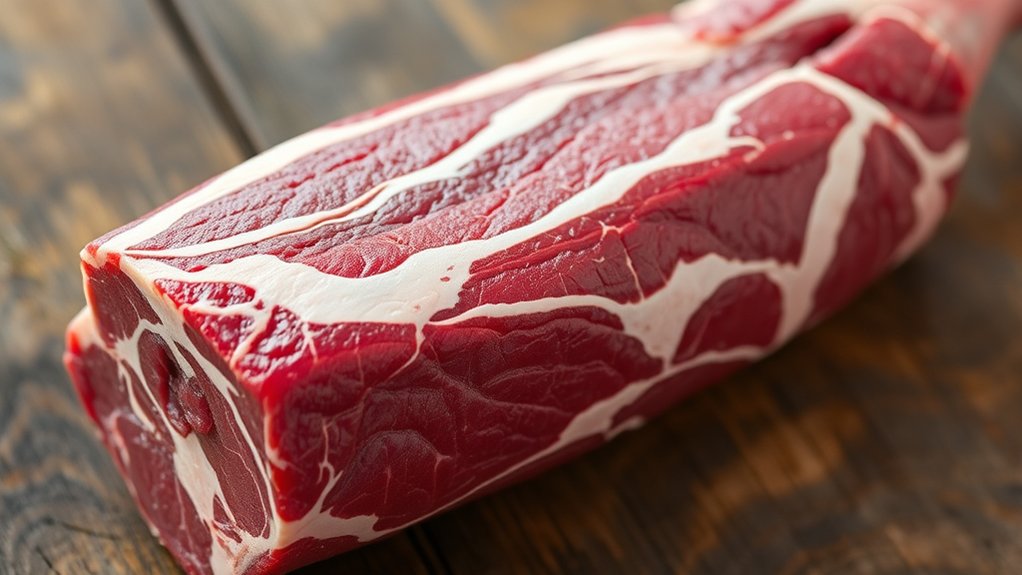
- You can tell the shank apart by its thick, cylindrical shape with visible muscle fibers and a central bone.
- It’s perfect for slow-cooked dishes like stews, braises, and osso buco, which help break down the tough meat.
What Is Beef Shank and Why Is It a Flavorful Cut?

Beef shank is a tough, muscular cut from the leg of the cow, but don’t let its look fool you. It’s full of rich, beefy flavor.
Its dense muscle fibers and connective tissues make it a flavor-packed choice when cooked right. Slow cooking breaks down the collagen, making it tender and creating a thick, gelatinous broth.
Because of its structure, beef shank is perfect for braising, stewing, or slow roasting. The meat becomes hearty, savory, and full of depth, ideal for comfort foods like pot roast or soups.
Its bold flavor adds richness to dishes, and once cooked, it melts in your mouth. This cut’s intensity makes it a favorite for those who love deep, concentrated beef flavors.
Where Is the Beef Shank Located on the Cow?
The beef shank is located on the front and hind legs of the cow, extending from just below the knee or hock down to the ankle. On the front legs, it’s just below the shoulder joint, while on the hind legs, it’s below the stifle joint.
You’ll find it as a relatively thick, muscular section covered with connective tissue and some fat. The shank runs along the lower part of the leg, close to the hoof.
Because it’s a weight-bearing muscle, it’s tough and contains a lot of connective tissue, making it ideal for slow cooking methods. The location means the meat has a rich, beefy flavor, especially when braised or simmered for hours to become tender.
How to Identify Beef Shank at the Butcher Shop
When you step into the butcher shop, look for a cut that’s thick, cylindrical, and well-muscled. Beef shank usually comes in a round or oval shape, often with a prominent bone running through the center.
It has a rugged appearance, with visible muscle fibers and some connective tissue. The color is typically deep red, and it may have a bit of marbling around the edges.
Don’t confuse it with other cuts like round or brisket; it’s generally more dense and less tender. If you’re unsure, ask your butcher to point out the beef shank and confirm it’s the right cut for slow cooking or braising.
Being familiar with its shape and texture helps you identify it easily.
What Makes Up the Beef Shank: Muscles and Bones
You’ll notice that the beef shank is made up of tough, fibrous muscles that become tender with slow cooking. This process gives it a rich, meaty texture that’s full of flavor.
Its bones are thick and marrow-filled, which helps contribute deep, savory flavor during cooking. Understanding these parts helps you appreciate its hearty taste and perfect uses in stews and braises.
Muscle Composition and Texture
Beef shank is made up of multiple muscles that work together to support the animal’s weight and help it move. This makes the meat dense and fibrous in texture.
The main muscles include the *gastrocnemius* and *extensor* groups, which are constantly under strain. They’re rich in connective tissue, especially collagen, which makes the meat tough if cooked quickly.
The muscle fibers are thick and tightly packed, giving the shank a firm, chewy feel. Because of this, it needs slow, moist cooking methods like braising to break down the connective tissue and soften the meat.
This dense muscle structure gives the shank its hearty flavor and substantial bite. Overall, the muscle makeup influences its texture, so proper cooking is essential to bring out its tenderness.
Bone Structure and Flavor
The beef shank’s flavor is heavily influenced by its complex bone structure, which adds to both taste and richness. The large, marrow-filled bones release gelatin and fat during cooking, enriching the flavor.
The marrow inside the bones gives a buttery, rich note that enhances the overall taste. As you cook the shank slowly, it releases minerals and collagen, making the meat tender and flavorful.
Having bones in the mix means each bite feels hearty and savory. The combination of muscle and bone creates a layered, robust flavor profile that’s both satisfying and delicious, perfect for slow-cooked stews and braises.
What Are the Best Cooking Methods for Beef Shank?
To get the most out of beef shank, you should focus on slow cooking methods that break down the tough muscles. Braising is especially effective because it tenderizes the meat while infusing it with flavor.
These techniques ensure your beef shank becomes melt-in-your-mouth delicious. Slow cooking methods like stewing or cooking in a pressure cooker also work well to achieve tender, flavorful results.
Slow Cooking Techniques
Slow cooking is one of the best ways to turn beef shank into tender, flavorful meat. It breaks down connective tissues, making each bite melt-in-your-mouth delicious.
You can choose from several methods:
- Slow Cooker: Set it on low for 6-8 hours for hands-off, consistent results.
- Oven Braising: Use a Dutch oven and cook at 275°F (135°C) for 3-4 hours, covered, to keep the moisture in.
- Stovetop Simmering: Gently simmer on low heat for 2-3 hours, making sure the liquid covers the meat.
- Sous Vide: Vacuum-seal the beef and cook at 135°F (57°C) for 24-48 hours for precise tenderness.
Each method allows collagen to break down, resulting in rich, flavorful beef shank.
Braising For Tenderness
Braising is one of the best ways to get tender, flavorful beef shank, especially when you want the meat to fall apart easily. It involves cooking the meat slowly in liquid at a low temperature, which breaks down the connective tissues and collagen.
Start by searing the beef shank to develop a rich flavor. Then, add enough broth or wine to cover the meat. Cover the pot tightly and simmer gently on the stove or in the oven.
This slow, moist heat turns tough muscle into melt-in-your-mouth goodness. Braising lets the beef shank soak up rich flavors while becoming incredibly tender.
It’s perfect for hearty stews, osso buco, or any dish where you want soft, flavorful meat that still holds its shape.
Why Is Beef Shank Perfect for Slow Cooking and Stews?
Beef shank is perfect for slow cooking and stews because its connective tissues break down over time, turning into rich, tender gelatin that adds flavor to every bite. This process makes the meat incredibly tender and tasty, ideal for hearty dishes.
Beef shank’s connective tissues break down into tender gelatin, enriching hearty stews with deep flavor and luscious texture.
When cooked slowly, the tough fibers soften, releasing juices and collagen that naturally thicken your stew. It’s like magic for creating rich, flavorful broths and stews.
Here are four reasons why beef shank works so well:
- It has a high collagen content, which creates a rich broth.
- The slow cooking process renders the meat tender and flavorful.
- Its sturdy structure holds up well during long simmering.
- The flavor intensifies as it cooks, adding depth to your dish.
How Does Beef Shank Compare to Other Beef Cuts?
Beef shank has a rich, beefy flavor that really stands out from more tender cuts like ribeye or tenderloin. Its tough texture means it needs slow, moist cooking methods.
Unlike cuts that are great for quick grilling or roasting, beef shank benefits from slow braising or stewing to become tender. Comparing flavor and cooking needs can help you pick the right cut for each recipe.
Flavor Profile Differences
Compared to more tender cuts like ribeye or tenderloin, beef shank has a much bolder, richer flavor that develops deeply during slow cooking. Its taste is robust, with earthy, mineral notes that aren’t as prominent in leaner cuts. You’ll notice a pronounced beefy aroma, making it ideal for hearty stews and braises.
Here are some flavor profile differences:
- Intensity: Beef shank offers a stronger, more pronounced beef flavor.
- Richness: It has a deep, almost gamey undertone that intensifies with cooking.
- Sweetness: Slight hints of caramelized sweetness develop as it braises.
- Texture Influence: The marbling and connective tissue contribute to a complex, layered flavor.
This cut’s flavor is best appreciated in slow-cooked dishes that reveal its full depth.
Cooking Methods Suitable
Because of its tough connective tissues and rich flavor, beef shank is best suited for slow, moist-heat cooking methods that break down collagen and develop its deep, savory taste. Braising, stewing, and slow roasting work well, allowing the meat to become tender while soaking up flavors.
Unlike tender cuts like ribeye or sirloin, which are best cooked quickly over high heat, shank needs extended cooking time to soften. Using a slow cooker or oven at low temperatures helps extract the meat’s full flavor.
This makes it ideal for hearty stews and soups. Avoid grilling or fast roasting, as these methods won’t break down the connective tissue, leaving the meat tough and chewy.
Properly cooked, beef shank offers melt-in-your-mouth tenderness and robust flavor.
Popular Recipes Using Beef Shank You Should Try
There’s a rich array of delicious recipes you can make with beef shank that are sure to impress your family and friends. These hearty dishes highlight the meat’s rich, tender texture and deep flavor. Here are four popular recipes to try:
Discover flavorful beef shank recipes that impress with tender, rich, and hearty dishes perfect for any occasion.
- Beef Shank Stew – A comforting dish with vegetables and herbs slow-cooked to perfection.
- Osso Buco – An Italian classic featuring braised beef shanks with white wine and gremolata.
- Beef Shank Soup – A nourishing soup with vegetables, herbs, and tender meat, perfect for colder days.
- Braised Beef Shank – Slow-cooked with red wine and spices for a flavorful, melt-in-your-mouth meal.
These recipes maximize the beef shank’s flavor and tenderness, making every bite memorable.
How to Prepare and Trim Beef Shank for Cooking
Before you start cooking beef shank recipes, it’s important to properly prepare and trim the meat. First, place the shank on a clean cutting board and examine it for excess fat and connective tissue.
Use a sharp knife to trim away large pieces of fat, but leave some for flavor. Remove any silverskin, the thin, silvery membranes that can make the meat tough.
If the shank has a bone, check for any loose bits and trim them off. If it’s a thick cut, consider cutting it into smaller, more manageable pieces for even cooking.
Rinse the meat briefly under cold water and pat it dry with paper towels. Proper trimming guarantees your beef shank cooks evenly and results in tender, flavorful meat.
Tips for Buying Quality Beef Shank
When shopping for beef shank, focus on selecting cuts that are rich in marbling and have a deep, vibrant color. These signs of quality will help ensure your dish turns out tender and flavorful. Look for cuts with a firm texture and avoid anything that seems dry or discolored.
Freshness is key, so check for a clean, meaty smell without any sour or off odors. Additionally, consider these tips: Opt for cuts with visible fat marbling to boost flavor and tenderness. Choose shanks that are cut evenly for consistent cooking. Buy from reputable butchers or stores known for quality meat.
Finally, check for minimal connective tissue unless you’re planning a slow cook to break it down.
Can You Substitute Beef Shank in Recipes?
If you can’t find beef shank or want to try a different cut, several options can work depending on your recipe. For braises and slow-cooked dishes, chuck roast or chuck shoulder are good choices because they have similar connective tissue and fat content. These break down during cooking to make the meat tender.
Oxtail is another great substitute if you’re after a richer flavor and a gelatinous texture. For stews, brisket can be used, offering a hearty, flavorful result. Keep in mind that these cuts may cook a little faster or slower, so adjust your cooking time as needed.
While these options won’t exactly match beef shank’s texture, they can still deliver a similar flavor and succulence in your dish.
Frequently Asked Questions
Is Beef Shank Suitable for Grilling or Quick Cooking Methods?
Beef shank isn’t great for grilling or quick cooking because it’s a tough cut with a lot of connective tissue.
Instead, it’s best to braise, slow-cook, or simmer it to break down those tissues and bring out more flavor.
Trying to cook it quickly will leave it tough and chewy.
So, plan for longer cooking times to enjoy its rich, beefy taste.
That way, you’ll get tender, delicious results.
How Does Beef Shank Taste Compared to Other Tougher Cuts?
Beef shank has a bold, beefy flavor that’s richer and more robust than many other tougher cuts. Its taste is earthy and hearty, making it perfect for slow-cooked stews and braises.
Compared to tender cuts like sirloin or tenderloin, shank offers a heartier, more pronounced beef essence. Its muscular texture absorbs flavors well and turns into tender, tasty bites after long, slow cooking.
Can Beef Shank Be Used for Making Jerky or Dried Meat?
Yes, you can use beef shank for making jerky or dried meat. Its rich, beefy flavor develops well during the drying process, though it’s a tougher cut, so marinate it beforehand to tenderize.
Slice it thinly against the grain for best results. Keep the drying temperature steady, and you’ll end up with flavorful, tender jerky that captures the deep taste of beef shank.
What Are the Nutritional Benefits of Beef Shank?
Beef shank packs powerful protein, promoting muscle maintenance and repair. It’s rich in essential nutrients like iron, zinc, and B vitamins, which can boost your immune system and energy levels.
The collagen content supports joint and skin health, making it a beneficial addition to your diet. While it’s flavorful and filling, focus on moderate portions to enjoy its nutritional benefits without overdoing it.
Are There Any Cultural or Traditional Dishes Specifically Using Beef Shank?
Yes, many cultures have traditional dishes that feature beef shank. You might enjoy Italian osso buco, which uses cross-cut beef shank braised with vegetables and wine.
In Mexican cuisine, there’s birria, a flavorful stew often made with beef shank, chilies, and spices.
Furthermore, in Korean cooking, beef shank is used in soups like galbitang, where it’s simmered to create rich, tender broth.
Conclusion
Now that you know where the beef shank comes from and how to make it shine in your kitchen, you’re armed with a flavorful secret waiting to be revealed. Think of the shank as a hidden treasure—tough on the outside but rich with hearty, melt-in-your-mouth goodness once cooked right.
The beef shank comes from the lower leg of the cow, just above the knee. It’s a tough cut, but full of flavor and perfect for slow cooking methods that tenderize the meat.
So go ahead, welcome this cut’s rugged charm, and turn your culinary adventures into a symphony of taste that lingers long after the last bite. Understanding what part of the cow the beef shank comes from helps you appreciate its rich flavor and how best to prepare it.