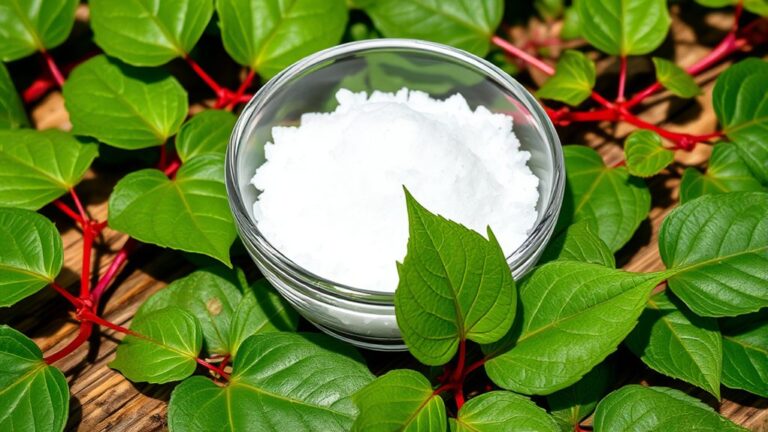
Does Epsom Salt Help Poison Ivy?
Dealing with poison ivy can be incredibly frustrating, especially when the itching and blisters seem to take over your skin. Many people struggle with finding relief and want something that works quickly and safely.
Epsom salt may help temporarily dry out poison ivy blisters and reduce itching, but it doesn’t treat the allergic reaction or remove urushiol oil. Soaking in an Epsom salt bath can soothe inflammation and ease discomfort, but won’t prevent new rashes or cure the rash itself.
Its safety depends on your skin sensitivity, so a patch test is smart before full use. Keep exploring to learn more ways to manage poison ivy effectively.
Key Takeaways
- Epsom salt might help dry out the skin affected by poison ivy, but there’s not a lot of scientific proof to back this up.
- It can provide some temporary relief from inflammation, but it doesn’t get rid of the urushiol oil or stop new rashes from developing.
- To use it, try soaking in a warm Epsom salt bath for about 15 to 20 minutes.
- Keep in mind that Epsom salt could cause skin irritation or make symptoms worse for some people with sensitive skin.
- For better results, many people combine Epsom salt soaks with antihistamines or corticosteroids, which can help improve overall treatment.
What Is Poison Ivy, and How Does It Affect Your Skin?

Poison ivy is a common plant that can cause a painful skin reaction when touched. When you come into contact with it, an oily resin called urushiol transfers to your skin. This oil triggers an allergic reaction, leading to redness, itching, swelling, and blisters.
The rash usually appears within 12 to 72 hours after exposure and can last for several days or weeks. Not everyone reacts the same way—some people develop severe symptoms, while others have milder reactions or no reaction at all.
Poison ivy isn’t contagious through skin contact with the rash itself, but urushiol can stay on clothing, tools, or pets. This means you can get the rash indirectly from contaminated objects.
Recognizing and avoiding the plant is your best defense against its irritating effects.
Does Epsom Salt Help Reduce Poison Ivy Itching?
Does Epsom salt really help ease the intense itching caused by poison ivy? While many believe that soaking in an Epsom salt bath can soothe skin, there’s limited scientific evidence specifically supporting this for poison ivy.
Epsom salt may help dry out the affected area slightly, which could lessen some discomfort. However, it doesn’t directly target the allergic reaction or the histamine release responsible for itching.
You might find temporary relief by reducing swelling or soothing the skin, but Epsom salt isn’t a proven remedy for stopping itchiness. For best results, combine it with other proven treatments like antihistamines or topical corticosteroids.
Always remember to consult a healthcare professional to determine the most effective approach for your poison ivy symptoms.
Can Epsom Salt Soaks Calm Poison Ivy Inflammation?
Epsom salt soaks are often believed to help reduce skin inflammation, but their effectiveness for calming poison ivy isn’t definitely proven. Some people think they help, but scientific results are limited.
If you want to try it, consider that Epsom salt might draw out toxins and help reduce swelling. It could also soothe irritated skin by absorbing magnesium. Soaking might temporarily lessen redness and discomfort.
Keep in mind that results vary based on your skin sensitivity and how severe the rash is. Epsom salt soaks aren’t a guaranteed cure but may provide some relief.
If your inflammation gets worse or doesn’t improve, it’s best to see a healthcare professional for advice.
How Do You Prepare an Epsom Salt Bath for Poison Ivy Relief?
To prepare an Epsom salt bath for poison ivy relief, start by filling your bathtub with warm water—enough to comfortably submerge the affected areas. Add about 1 to 2 cups of Epsom salts directly into the water. Stir gently to help the salts dissolve completely.
Make sure the water isn’t too hot, as hot water can irritate your skin further. Soak in the bath for 15 to 20 minutes, allowing the magnesium sulfate to work on reducing inflammation and soothing your skin.
Ensure the water isn’t too hot and soak for 15-20 minutes to soothe inflammation and calm irritated skin.
After soaking, gently pat your skin dry with a clean towel. You can repeat this process once or twice daily as needed for relief.
Avoid scrubbing or using harsh soaps during or after the bath to prevent additional irritation.
Is Epsom Salt Safe for Sensitive or Allergic Skin?
You might wonder if Epsom salt is safe for sensitive or allergic skin. While it’s generally gentle, some people could experience skin irritation or allergic reactions.
It’s a good idea to do a patch test before using it widely to avoid surprises.
Skin Irritation Risks
While many people find Epsom salt soothing, those with sensitive or allergic skin should be cautious. It can sometimes cause irritation or make existing skin issues worse. Here are four risks to keep in mind:
- Dryness: Epsom salt can strip away natural oils, which may lead to dryness and cracking.
- Redness and Itching: Some users notice increased redness or itching after soaking.
- Burning Sensation: For sensitive skin, the salt might cause a burning or stinging feeling.
- Aggravation of Skin Conditions: If you have eczema or psoriasis, Epsom salt could make your symptoms worse.
If you feel any discomfort, rinse immediately and avoid using it again. Always test a small patch first, especially if your skin tends to react badly.
Allergic Reactions Possibility
Although Epsom salt is generally safe for most people, those with sensitive or allergic skin should be cautious. Some might experience reactions like redness, itching, or swelling after using it.
If you have a history of skin allergies or eczema, applying Epsom salt could trigger a flare-up. While rare, allergic reactions can be more serious, causing hives or difficulty breathing.
It’s important to watch how your skin responds during and after use. If you notice any signs of an allergic reaction, stop using Epsom salt right away and see a healthcare professional.
Always consider your skin’s sensitivities before trying Epsom salt as a remedy for poison ivy or other skin issues.
Patch Test Recommendations
Before using Epsom salt on sensitive or allergic skin, it’s a good idea to do a patch test to make sure it’s safe. This simple step helps you spot any reactions before applying it more broadly.
To do the patch test, mix a small amount of Epsom salt with water to make a diluted solution. Then, apply a tiny bit to a discreet skin spot, like your inner forearm. Cover it with a bandage and wait 24 hours.
After that, check for redness, itching, or swelling. If nothing shows up, it’s usually safe to go ahead. But if you notice any irritation, avoid using Epsom salt on that skin area. Always listen to your body and talk to a healthcare professional if you’re unsure.
What Are the Limitations of Using Epsom Salt for Poison Ivy?
Epsom salt may seem like a simple remedy for poison ivy, but it has notable limitations. First, it doesn’t address the root cause of the rash; it only provides temporary relief for irritation and itching.
If your skin is severely inflamed or blistered, applying Epsom salt might make things worse or cause extra irritation. Also, it’s not a cure—using it alone won’t remove the poison ivy oils from your skin or stop new rashes from forming.
Relying only on Epsom salt can delay proper treatment, which might increase the risk of infection or make symptoms last longer. Some people might also develop a skin reaction to the salt itself, especially if they have sensitive skin.
Always consider other remedies or talk to a healthcare professional if your poison ivy is severe or persistent.
How Does Epsom Salt Compare to Other Natural Remedies for Poison Ivy?
When comparing Epsom salt to other natural remedies for poison ivy, you’ll see that each one has its own benefits and limitations. Some focus on calming inflammation, while others aim to dry out blisters or ease itching.
Here are four popular natural options:
- Oatmeal Baths – help soothe skin and reduce itching.
- Aloe Vera – cools the skin and promotes healing.
- Baking Soda Paste – helps dry out blisters and ease discomfort.
- Apple Cider Vinegar – may disinfect and reduce irritation.
Epsom salt can reduce inflammation, but it doesn’t have the antimicrobial properties of vinegar or the skin-calming effects of aloe vera. Each remedy serves a different purpose, so pick based on your symptoms.
When Should You See a Doctor for Poison Ivy Symptoms?
You should see a doctor if your skin reacts severely, like intense swelling, blistering, or spreading beyond the initial area.
Watch for signs of infection, such as pus, increased redness, or a fever.
If your symptoms are widespread or don’t improve after a few days, it’s a good idea to seek medical advice.
Severe Skin Reactions
Severe skin reactions from poison ivy need quick medical attention, especially if symptoms get worse or don’t improve with home treatments.
See a doctor if your rash spreads widely or covers large parts of your body.
If blisters burst, get infected, or pus forms, seek medical care.
Watch out for trouble breathing, swelling of your face or throat, or dizziness—these are serious signs.
If the rash lasts more than two weeks or gets worse despite treatment, it’s time to see a doctor.
These symptoms show a more serious reaction that needs professional help.
Waiting too long can lead to complications or infections.
Spotting these signs early helps ensure you get the right treatment and avoid unnecessary discomfort or health risks.
Signs of Infection
Even if your poison ivy rash starts to improve, it’s important to watch for signs of infection. You should see a doctor if you notice increasing redness, warmth, or swelling around the rash, as these can indicate infection.
Pus or oozing from blisters is another warning sign. If the area becomes tender or painful, or if you develop a fever, it suggests the infection may be spreading.
Moreover, if the rash worsens after initial improvement or if new symptoms like swollen lymph nodes appear, seek medical help. Prompt treatment can prevent the infection from worsening or spreading.
Trust your instincts—if something feels wrong or persists beyond a few days, consult a healthcare professional to guarantee proper care.
Widespread or Persistent Symptoms
If your poison ivy symptoms spread over a large area or don’t start to improve within a week, it’s time to see a doctor. Persistent or widespread symptoms can mean a more serious reaction or infection.
You should seek medical attention if:
- The rash covers a large part of your body.
- Blisters become infected or pus appears.
- Symptoms get worse despite home treatment.
- You have trouble breathing or notice swelling in your face and throat.
These signs show your body isn’t responding to usual remedies and might need stronger medicine or extra care. Ignoring persistent or spreading symptoms could lead to complications. When in doubt, talking to a healthcare professional ensures proper treatment and helps prevent further health problems.
Are There Risks or Side Effects of Using Epsom Salt on Poison Ivy Rashes?
While Epsom salt is often used to soothe skin irritations, there are some risks and side effects to consider when applying it to poison ivy rashes. Using too much or applying it too often can dry out your skin, which might make the irritation worse or cause cracks that could lead to infection.
If your skin is sensitive or if you have open blisters, the salt might sting or make your discomfort worse. Some people may also have allergic reactions, like redness or swelling, after contact.
It’s best to avoid using Epsom salt if you notice increased irritation or if your rash gets worse. Always do a patch test first and talk to a healthcare professional if you’re unsure, especially if your symptoms are severe or last a long time.
What Other Natural Remedies Can Complement Epsom Salt Treatments?
To improve the soothing effects of Epsom salt treatments, you can incorporate other natural remedies known for calming skin irritations. These can enhance your relief and help speed up healing.
Here are four options:
- Oatmeal: An oatmeal bath soothes itching and reduces inflammation. It’s a gentle, natural way to calm irritated skin.
- Aloe Vera: Applying pure aloe gel cools the skin and promotes healing. It’s especially helpful for soothing rashes and redness.
- Tea Tree Oil: Diluted tea tree oil has anti-inflammatory and antiseptic properties. It can prevent infection and reduce discomfort.
- Calendula: Calendula cream or tincture helps reduce redness and soothe irritated skin. It’s been used for skin healing for centuries.
Using these remedies alongside Epsom salt can give you a more complete, natural approach to easing poison ivy rashes.
How Long Does Poison Ivy Usually Take to Heal With Home Care?
When combining home remedies like Epsom salt baths, oatmeal soaks, or aloe vera applications, understanding how long it usually takes for poison ivy to heal can help set realistic expectations. Typically, with consistent home care, your symptoms might start to improve within three to five days.
Home remedies may show improvement in 3-5 days; full healing can take 1-3 weeks depending on severity.
Complete healing often happens within one to three weeks, depending on how severe the rash is and how your body responds. Mild cases usually clear faster, while more intense reactions may take longer.
During this time, it’s important to avoid scratching to prevent infection and further irritation. Keep in mind that healing times vary from person to person.
If your symptoms worsen or last beyond three weeks, it’s a good idea to see a healthcare professional for extra advice or treatment options.
Tips to Prevent Poison Ivy From Spreading or Reoccurring
Preventing poison ivy from spreading or reoccurring involves taking proactive steps to reduce contact and exposure. First, always wear protective clothing like long sleeves and gloves when working outdoors in suspected areas.
Second, wash your skin and clothing immediately after potential contact to remove urushiol oil. Third, clear brush and weeds regularly to eliminate poison ivy plants from your yard or trails.
Fourth, learn to identify poison ivy early so you can avoid it or handle it carefully. Keep tools and shoes away from contaminated areas, and consider applying barrier creams as extra protection.
Staying vigilant and practicing these habits can greatly decrease your chances of spreading or experiencing future poison ivy outbreaks.
Frequently Asked Questions
Can Epsom Salt Prevent the Spread of Poison Ivy?
Epsom salt doesn’t prevent the spread of poison ivy. Instead, you should focus on washing the affected area thoroughly with soap and water to remove the urushiol oil, which causes the rash.
Applying cool compresses and over-the-counter remedies like antihistamines or hydrocortisone cream can help relieve symptoms. To prevent spreading, avoid scratching and wash your clothes and tools that may have come into contact with the plant.
How Often Should I Soak in Epsom Salt for Poison Ivy Relief?
You should soak in Epsom salt twice daily, morning and evening, for poison ivy relief. Think of it as a soothing wave washing over your skin, calming the itch and reducing inflammation.
Keep the soak for about 15-20 minutes each time, making sure the affected area is fully submerged. Regular use can help ease your discomfort, but if your symptoms stick around or get worse, see a healthcare professional right away.
Does Epsom Salt Help With Poison Ivy Blisters?
Epsom salt doesn’t directly help with poison ivy blisters, but it can soothe the surrounding skin. Soaking in an Epsom salt bath may reduce inflammation and ease itching, helping you feel more comfortable.
However, it won’t treat the blisters themselves or speed up healing. For blister care, keep the area clean, avoid popping them, and consider over-the-counter remedies or consult a healthcare professional if needed.
Are There Any Long-Term Benefits of Epsom Salt for Skin Healing?
Think of Epsom salt as a gentle gardener tending to your skin’s landscape. It offers long-term benefits by reducing inflammation, easing pain, and promoting relaxation, much like nurturing plants back to health.
Regular use can help your skin heal more efficiently, restoring its natural balance. While it’s not a cure-all, Epsom salt acts as a supportive ally, encouraging your skin’s resilience and overall health over time.
Can Epsom Salt Worsen Allergic Reactions in Some Individuals?
Yes, Epsom salt can worsen allergic reactions in some people. If you’re allergic or sensitive to it, soaking in Epsom salt might cause more redness, itching, or swelling.
It’s a good idea to test a small area first or talk to a healthcare professional before using Epsom salt, especially if you have sensitive skin or known allergies.
If you notice any bad reactions, stop using it right away and seek medical advice.
Conclusion
Think of your skin as a delicate garden—you want to nurture it back to health without introducing harsh chemicals.
While Epsom salt can soothe and calm the itch, it’s just one piece of the puzzle. Combining it with good hygiene and natural remedies is key.
Epsom salt won’t directly treat poison ivy, but it can help ease the discomfort temporarily.
For proper healing, focus on cleaning the area and avoiding further irritation.
With patience and care, your skin can recover, and Epsom salt might help ease the itch along the way.
Remember, Epsom salt can help with poison ivy symptoms, but it’s best used as part of a gentle, overall approach.