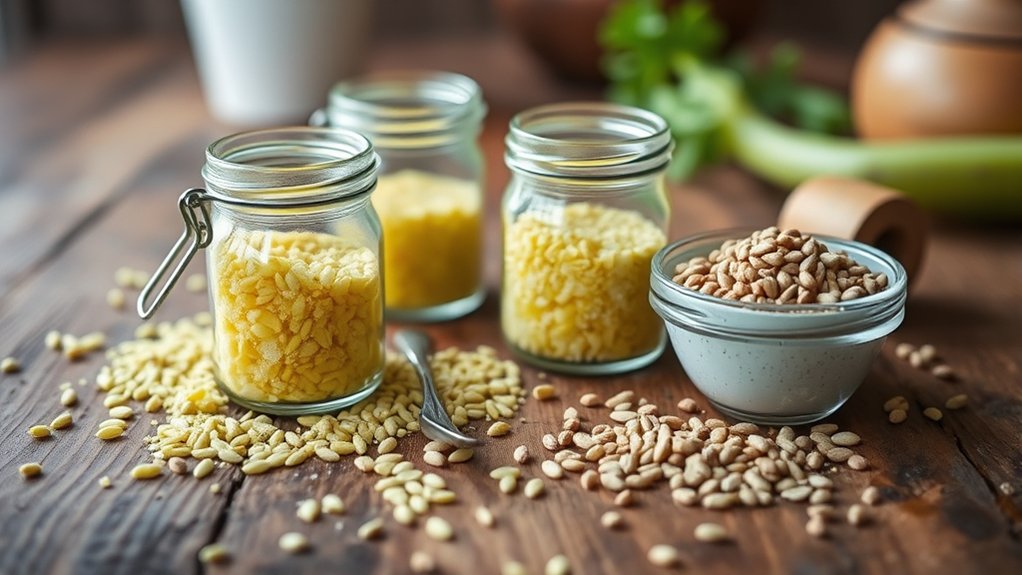
10 Ways to Use Celery Seed Instead of Celery Salt
Many cooks find themselves out of celery salt just when they need it most, and it can be frustrating to compromise on flavor. You’re not alone—figuring out simple substitutes can sometimes feel like a challenge.
Luckily, celery seed is a great alternative that you probably already have in your pantry. You can replace celery salt with celery seed by using half the amount of seeds and adding salt separately to control the flavor.
Use celery seed in salads, dressings, soups, stews, marinades, and pickling to add earthy, herbal notes. Toast seeds before adding for more aroma. Store them properly to keep their flavor fresh.
Want to uncover more ways to incorporate celery seed into your recipes? Keep exploring for helpful tips and ideas.
Key Takeaways
- Substitute half the amount of celery seed for celery salt, and add salt separately so you can control the flavor.
- Use celery seed in salads, dressings, soups, stews, and marinades to boost the flavor.
- Toast and crush the celery seeds first to release their aroma before adding them to your dishes.
- Pair celery seed with lemon, vinegar, or herbs. It complements a variety of recipes nicely.
- Store your celery seeds in airtight, cool, dark containers. This helps keep them fresh and extends their shelf life.
How Can I Replace Celery Salt With Celery Seed in My Recipes?
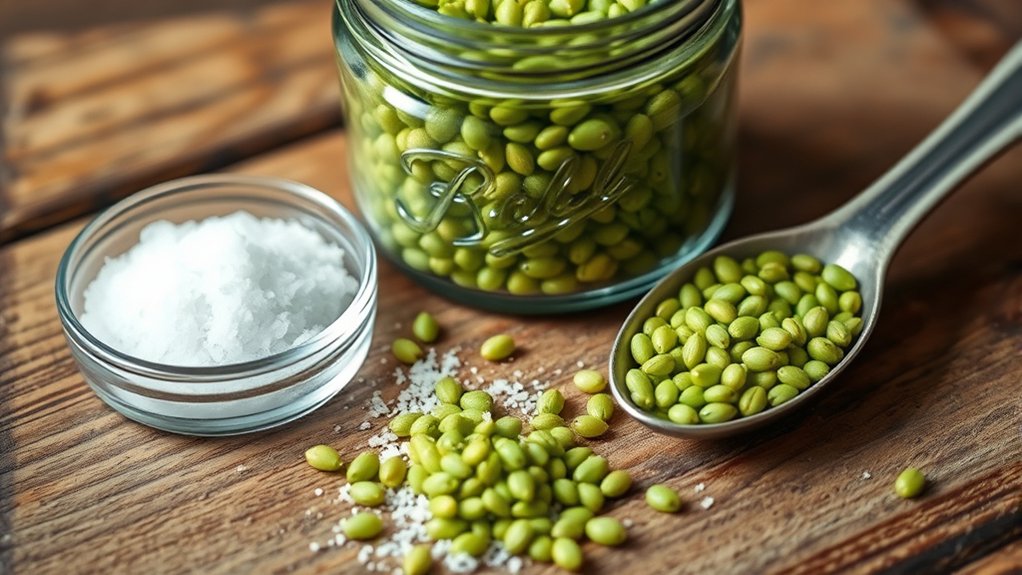
Wondering how to substitute celery seed for celery salt in your recipes? It’s simple. Since celery salt combines ground celery seed with salt, you’ll need to adjust the amount of salt you add.
Start by using about half the amount of celery seed called for in your recipe, then add salt separately to taste. For example, if a recipe calls for 1 teaspoon of celery salt, use 1/2 teaspoon of celery seed plus 1/2 teaspoon of salt.
Mix the celery seed and salt well before adding to your dish. This way, you control the saltiness and flavor intensity.
Keep in mind, the flavor may be slightly different, so taste as you go and adjust accordingly.
What’s the Difference Between Celery Seed and Celery Salt?
While substituting celery seed for celery salt is pretty straightforward, understanding the main difference can help you get the flavor you want. Celery seed is the dried, crushed seed of the celery plant, offering a concentrated, earthy, and slightly bitter taste.
Celery salt, on the other hand, is a mix of ground celery seed and salt. It’s used as a seasoned salt to flavor dishes. The key difference is that celery salt is mainly salt infused with celery flavor, while celery seed is just the seed itself without any added salt.
When swapping one for the other, remember that celery salt adds saltiness. So, you might need to adjust your salt levels to keep the dish balanced. Knowing this helps you control the flavor so you don’t over-salt your food.
Why Use Celery Seed for a Healthier Alternative to Salt?
Switching to celery seed can be a smarter choice if you’re looking to reduce your salt intake without sacrificing flavor. Celery seed offers a natural, herbaceous taste that enhances dishes just as well as salt but with fewer health risks. It contains compounds like phthalides, which may help lower blood pressure and support heart health.
Plus, celery seed is rich in antioxidants, helping boost your immune system and reduce inflammation. Incorporating it into your meals allows you to cut back on sodium while still enjoying savory flavors.
- Provides essential nutrients without the negative effects of excess salt
- Contains natural compounds that may support heart health
- Adds depth and complexity to your dishes naturally
How to Measure and Prepare Celery Seed for Cooking
To get the most flavor from celery seed, start by measuring it accurately using a teaspoon or a milliliter measuring spoon. For recipes requiring a subtle taste, use about 1/4 teaspoon; for a stronger flavor, increase to 1 teaspoon.
If you’re using whole seeds, consider lightly crushing them with a mortar and pestle or the back of a spoon to release more aroma and essential oils. This preparation boosts flavor without overwhelming your dish.
When cooking, add celery seed early to allow it to infuse, or sprinkle it toward the end for a more pronounced burst. Keep in mind that celery seed has a potent flavor, so start with small amounts and adjust to taste.
Proper measurement and preparation guarantee balanced, flavorful results.
Using Celery Seed in Salads and Dressings
Boost your salads and dressings by adding celery seed for a subtle, earthy flavor. Its warm, slightly bitter notes work well with both fresh greens and creamy dressings.
To use celery seed effectively, sprinkle a small amount directly into your mix or create a simple vinaigrette with oil, vinegar, and celery seed. This adds depth without overpowering other ingredients.
For a more refined touch, try lightly toasting the seeds to release their aroma before grinding. You can also blend celery seed into yogurt or mayonnaise-based dressings or use it as a crunchy finishing touch.
These simple techniques help you get the most flavor and sophistication from celery seed, making it a versatile and tasty addition to your salads.
Adding Celery Seed to Soups, Stews, and Broths
Adding celery seed to soups, stews, and broths is an easy way to deepen their flavor and add warmth. You can sprinkle it directly into the pot as it cooks, letting its earthy, slightly bitter notes infuse the dish.
Use about half a teaspoon per serving, adjusting to taste. Celery seed works well with ingredients like carrots, onions, and garlic, enhancing their natural flavors.
It also pairs nicely with broths to give them a richer, more complex profile. For best results, add the seed early in the cooking process so the flavors can meld fully.
Whether you’re making a hearty stew or a clear broth, celery seed provides a subtle, aromatic boost that lifts your dish without overpowering other ingredients.
Spicy and Marinade Recipes That Work Well With Celery Seed
Celery seed adds a unique depth to spicy marinades, enhancing their complexity without overpowering other flavors. It helps balance bold and tangy notes, making dishes more harmonious.
Use it to enhance grilled meats and vegetables, giving them a subtle, savory boost.
Enhancing Spicy Marinades
Spicy marinades get more depth and complexity when you add celery seed. It enriches the bold flavors while balancing out the heat. Its earthy, slightly peppery notes work well with the spice, giving each bite a layered taste.
To get the most out of celery seed, add it early in the marinating process so its aroma has time to infuse thoroughly. You can also try mixing in other ingredients to boost the marinade’s profile:
- Combine with garlic and ginger for a savory punch
- Mix with chili flakes and lime juice for a tangy kick
- Add a splash of soy sauce or fish sauce for umami richness
Using celery seed in spicy marinades not only boosts flavor but also adds subtle, aromatic nuances that make each bite more satisfying.
Balancing Flavor Profiles
Balancing flavor profiles in marinades means harmonizing heat, acidity, and savory notes to make a well-rounded dish. When you add celery seed, it gives a subtle earthiness that pairs nicely with spicy and tangy ingredients.
Start with a base of acidic vinegar or citrus juice, which cuts through richness and helps enhance the flavors. Then, add spices like chili flakes or hot sauce for heat, but be careful not to let it overpower everything.
Incorporate celery seed to bring a mild, aromatic touch that ties all the flavors together. If the marinade feels too sharp, a bit of honey or sugar can mellow it out.
Remember to taste as you go and aim for a balance where no one component dominates. When properly balanced, your marinade will lift the dish without overwhelming the palate.
Elevating Grilled Dishes
Adding celery seed to your marinade can boost grilled dishes by adding more depth and complexity. It gives a subtle earthiness and a hint of spiciness that enhances flavors.
For spicy recipes, try mixing celery seed with cayenne or chili powder for a bold, smoky punch. When marinating meats, combine it with garlic, lemon juice, and herbs for a savory, aromatic kick.
Celery seed also works great in vegetable skewers, giving them a fresh, layered taste. To elevate your grilling game, consider these ideas:
- Infuse marinades with paprika, cumin, or coriander for a warm, spicy flavor
- Mix celery seed with soy sauce and ginger for an Asian-inspired glaze
- Blend it with mustard or honey for a sweet, spicy marinade
These tips help turn simple grilled dishes into flavorful masterpieces.
How to Use Celery Seed in Pickling and Preserving
To add celery seed to your pickling and preserving, start by knowing its role as a flavor booster and preservative. It gives a subtle earthy flavor and helps extend shelf life.
Use it in brine recipes or spice blends for vegetables, relishes, and chutneys. A little goes a long way in enhancing taste and preservation.
Here’s a simple guide to using celery seed:
| Ingredient | Usage Amount | Effect |
|---|---|---|
| Celery seed | 1-2 teaspoons | Boosts flavor and adds earthiness |
| Vinegar | 1 cup | Maintains acidity |
| Salt | 1 tablespoon | Preserves and enhances flavor |
Adjust the quantities based on your batch size and mix with other spices for a well-rounded flavor.
Tips for Cooking With Celery Seed in Meat and Seafood Dishes
When cooking with celery seed in meat and seafood dishes, it’s important to use it thoughtfully to enhance flavors without overpowering the main ingredients. Start by adding small amounts early in the cooking process to let the spice blend smoothly.
Consider toasting the seeds briefly to release their aromatic oils for a more intense flavor. Balance celery seed with complementary herbs and spices to deepen the dish’s flavor profile.
You can also use celery seed as a seasoning during marinades or rubs for extra complexity. Incorporate it into slow-cooked stews or braises for subtle, savory notes.
Pair it with lemon or vinegar-based sauces to bring out its fresh, herbal qualities. This way, celery seed adds a nice dimension without taking over.
How to Store Celery Seed for Freshness and Longevity
Proper storage is key to keeping your celery seed fresh and flavorful for as long as possible. Store your seeds in an airtight container, away from light, heat, and moisture. A cool, dark pantry or cupboard works best.
For extra protection, try using opaque containers that block out light. Keep the seeds away from humidity to prevent mold and spoilage. Labeling your container helps you keep track of freshness.
| Storage Method | Ideal Location | Shelf Life |
|---|---|---|
| Airtight container | Pantry or cupboard | Up to 1 year |
| Opaque jar | Dark cabinet | 9 to 12 months |
| Vacuum-sealed bag | Cool basement | 1+ year |
| Glass jar with lid | Kitchen shelf | 6 to 12 months |
| Reusable spice jar | Drawer or spice rack | 6 to 8 months |
Frequently Asked Questions
Can I Substitute Celery Seed for Celery Salt in All Recipes?
Yes, you can substitute celery seed for celery salt in most recipes, but keep in mind that celery salt contains salt, so you’ll need to reduce the added salt elsewhere.
Use about half the amount of celery seed to replace the salt, and taste as you go. This way, you preserve the flavor without making your dish too salty.
Adjust seasoning accordingly to match your taste preferences.
Does Using Celery Seed Alter the Flavor Profile Significantly?
Using celery seed is like adding a whisper of earthiness to your dish; it doesn’t drastically change the flavor but enriches it subtly. The seed’s slightly bitter, grassy note can stand alone or blend seamlessly.
While it won’t mimic the salty punch of celery salt, it brings a fresh, herbal dimension. So, expect a more layered, complex taste—like a symphony rather than a solo.
Are There Any Dietary Restrictions When Using Celery Seed?
Yes, there are dietary restrictions to consider when using celery seed. If you have a celery allergy, you should avoid it because the seed can trigger allergic reactions.
Since celery seed contains natural sodium, people on a low-sodium diet should use it sparingly. Pregnant women are advised to consult their healthcare provider before eating large amounts, as it may have blood-thinning effects.
Always check with a healthcare professional if you’re unsure about including celery seed in your diet.
How Long Does Celery Seed Take to Flavor Dishes?
Celery seed usually takes about 15 to 30 minutes to flavor dishes, but it can vary depending on the recipe and cooking method.
If you add it early, like during simmering or braising, the flavor develops more fully.
For quicker flavor, sprinkle it toward the end of cooking or right before serving.
Tasting as you go helps you find the perfect balance so your dish isn’t under- or over-flavored.
Can I Grind Celery Seed Into a Powder for Easier Use?
Yes, you can grind celery seed into a powder for easier use. Use a spice grinder or mortar and pestle to crush the seeds into a fine powder.
This makes it easier to add to recipes like dressings, marinades, or spice blends. Just make sure to store the ground celery seed in an airtight container to keep its flavor and aroma fresh.
Grinding it fresh will also boost its potency and flavor.
Conclusion
By embracing celery seed as a flavorful alternative, you open the door to healthier, more vibrant dishes that nourish both body and soul. Its subtle charm can enhance your cooking, turning simple ingredients into memorable meals.
With a little experimentation and care, you’ll find it’s a gentle nudge toward culinary creativity and well-being. Let each sprinkle serve as a quiet reminder that good taste can also be good for you, especially when using celery seed instead of celery salt.